
 Tooth loss affects more than appearance. When missing teeth are not replaced, changes occur in bite alignment, jaw stability, facial support, and long-term oral health. At Mad River Family Dental, we provide customized dentures in Fairborn, OH designed to restore chewing function, protect surrounding structures, and help you feel confident again.
Whether you are missing a single tooth, multiple teeth, or a full arch, properly designed removable appliances replace lost structure while supporting the upper jaw and lower jaw. Every treatment plan is carefully developed to protect remaining natural teeth and preserve bone levels for long-term stability.
What Are Dentures and How Do They Restore Oral Function?
Dentures are removable appliances designed to replace missing teeth and restore chewing ability, speech clarity, and facial structure. They redistribute bite forces evenly across the upper jaw or lower jaw, reduce strain on remaining natural teeth, and help preserve soft tissue integrity when properly fitted and maintained.
Why Replacing Missing Teeth Protects Long-Term Oral Health
When even one missing tooth is left untreated, adjacent natural teeth shift into the open space. This movement creates uneven bite pressure, increases the risk of tooth decay, and may lead to gum inflammation. Over time, these imbalances contribute to bone loss, particularly in the lower jaw.
Replacing teeth early helps stabilize the bite, preserve jaw alignment, and protect soft tissues from chronic irritation. It also supports facial muscles, preventing the sunken look that can develop when bone levels decline.
When teeth are missing, the jawbone no longer receives stimulation from tooth roots. This leads to gradual resorption. Monitoring these changes allows timely relining or replacement to maintain stability and protect long-term dental health.
What Are the Different Types of Dentures Available?
There are several types of dentures, each designed for specific clinical situations.
Full Dentures for Complete Tooth Loss
Full dentures replace all natural teeth in the upper jaw, lower jaw, or both. These traditional options are shaped to restore facial contours and provide balanced chewing surfaces.
They rely on precise impressions and careful jaw measurements to ensure stability and comfort.
Partial Dentures When Natural Teeth Remain
Partial dentures are recommended when some natural teeth are still healthy. A removable partial denture attaches securely to remaining natural teeth, preventing shifting and protecting bite balance.
Preserving natural teeth helps maintain bone stimulation and long-term dental health.
Immediate and Temporary Dentures
After tooth extractions, temporary dentures may be worn during the healing process. Once soft tissues stabilize, a final denture is fabricated for improved precision.
This phased approach supports predictable adaptation while protecting soft tissue integrity.
Implant-Supported Options
For patients seeking additional stability, dental implants may anchor removable appliances. Implant-supported designs help reduce movement and may slow bone loss by stimulating the jaw.
We evaluate each patient to determine the right choice based on bone density, oral health, and long-term goals.
What Is the Process for Getting Dentures Fitted?
The process begins with a comprehensive evaluation of gum health, bone levels, and the number of teeth present. If extractions are required, healing time is allowed before final impressions are taken.
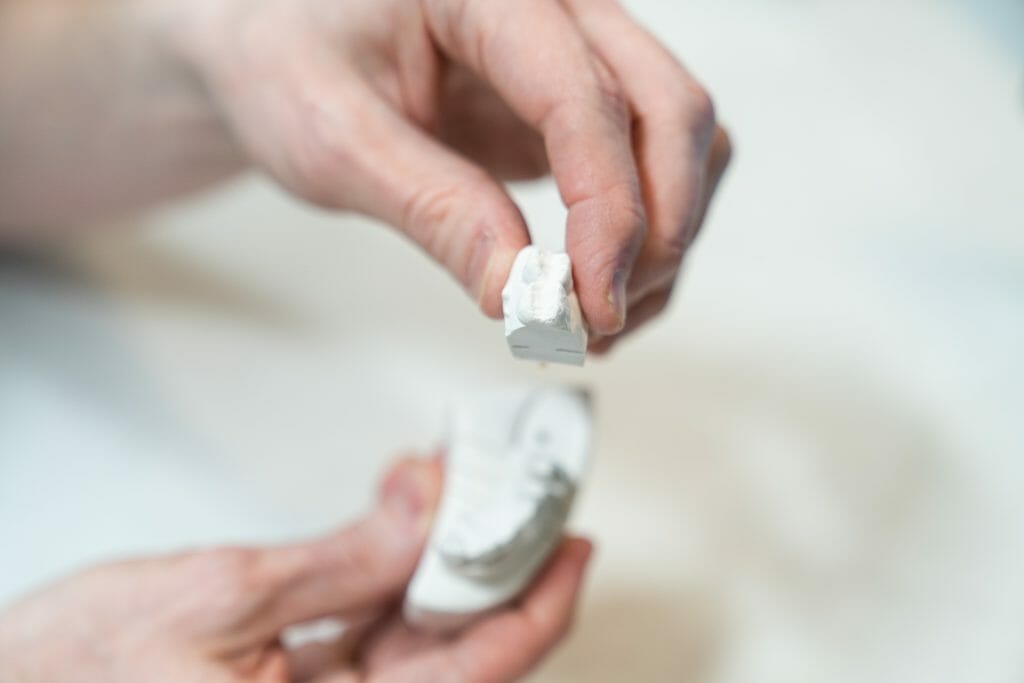
Detailed molds capture the shape of your mouth. Bite registration ensures correct jaw alignment. A trial appliance allows aesthetic and functional adjustments before final placement.
Follow-up visits help refine the fit and reduce pressure points.
What Should I Expect When Adjusting to New Dentures?
It is normal to experience mild soreness, increased saliva production, or subtle speech changes during the first few weeks. Your facial muscles, tongue, and cheeks must learn how to stabilize the new prosthetic device.
You may notice certain words feel slightly different at first. Reading aloud for a few minutes each day can help improve speech clarity. Minor pressure spots may also develop as your gums adapt to new contact points. These areas are typically corrected with small in-office adjustments.
Most patients adapt within several weeks as muscle memory develops. Consistent wear during waking hours speeds this process and supports balanced chewing and stability.
What Foods Should I Avoid When Wearing Dentures?
During early adjustment, avoid:
- Sticky candy
- Chewing gum
- Caramel
- Hard nuts
- Ice
- Popcorn kernels
- Very tough meats
Start with softer foods such as eggs, yogurt, cooked vegetables, fish, and finely cut lean meats. Cutting food into smaller pieces and chewing on both sides helps improve balance and stability.
As comfort improves, firmer textures can gradually be reintroduced.
How Long Do Dentures Typically Last?
The lifespan of removable dentures generally ranges from five to eight years depending on oral hygiene, bone stability, and overall health.
Natural changes in gum tissue and jawbone structure can gradually affect the fit. Relining procedures help adjust the internal surface to match changing contours and restore stability.
Routine dental visits allow early detection of structural changes and help prevent irritation or accelerated bone loss.
What Are Common Problems and How Can They Be Prevented?
Common concerns include:
- Looseness
- Gum irritation
- Food trapping
- Staining
- Odor buildup
Daily cleaning with non-abrasive products helps prevent plaque accumulation. Soaking dentures overnight allows gum tissues to rest and reduces bacterial growth.
Regular dental visits allow adjustments before minor concerns become larger problems.
How Often Should Dentures Be Evaluated?
Dentures should be professionally evaluated at least once per year. During these visits, your dentist examines gum tissue health, bite alignment, and structural stability.
Because jawbone contours change over time, early adjustments help prevent sores and maintain proper function.
What Should I Expect in Terms of Cost When Getting Dentures?
The cost of dentures varies depending on the number of teeth replaced, whether extractions are needed, the complexity of bite alignment, and materials used such as acrylic resin.
Your treatment plan may include diagnostic imaging, laboratory fabrication, aesthetic shaping, and follow-up adjustment visits.
At Mad River Family Dental, we provide a clear cost breakdown before treatment begins and review insurance or financing options.
How Do Dentures Affect Jaw Alignment?
Tooth loss alters how bite forces are distributed across the jaw. When chewing pressure becomes uneven, it can contribute to joint strain and muscle fatigue.
Properly fitted dentures restore balanced jaw alignment, distribute pressure evenly, and help reduce stress on surrounding muscles and joints.
How Do Dentures Influence Digestion and Nutrition?
Chewing is the first step of digestion. When food is not properly broken down in the mouth, larger particles reach the digestive system.
Restoring chewing surfaces allows food to be processed more effectively, improving nutrient absorption and digestive comfort.
What Materials Are Used in Modern Dentures?
Modern dentures are commonly made using high-quality acrylic resin designed for durability, comfort, and natural appearance.
Advanced fabrication techniques allow customization of tooth shade, shape, and contour for realistic aesthetics.
Dental materials are regulated by the U.S. Food and Drug Administration to ensure safety and performance standards.
How Do Dentures Support Facial Structure?
When teeth are lost, jawbone resorption gradually reduces support for the cheeks and lips. This can create a sunken facial appearance over time.
Properly designed dentures restore lost vertical dimension and help maintain natural facial contours, improving both appearance and speech clarity.
Are Dentures the Right Choice for Me?
Dentures may be recommended for individuals with multiple missing teeth, advanced decay, or bone conditions that limit implant placement.
During your consultation, we evaluate gum health, jaw stability, and remaining teeth to determine the most appropriate solution.
Our goal is to restore function, comfort, and long-term oral health.
Schedule a Consultation for Dentures in Fairborn, OH
If you are experiencing tooth loss or difficulty chewing, schedule an evaluation at Mad River Family Dental. We provide customized dentures in Fairborn, OH designed to restore stability, protect oral health, and improve comfort.
Call (937) 864-2341 to schedule today.
WE PUT PATIENTS FIRST
At Mad River Family Dental, your experience is our focus.